Quick answer
When choosing a preschool in Suratgarh for your child, focus on five things: safety (secure campus, trained staff), teacher warmth (young children need nurturing, not strict discipline), activity-based learning (not just textbooks), proximity to home (long commutes exhaust small children), and whether they can continue in the same school system later. For 2026–27 admission, Playgroup starts at age 3, LKG at 4, and UKG at 5 years as of March 31, 2026. Start your search early, good preschools fill up by January.
You’re lying awake at 11 PM, thinking about it again.
Your little one, the same child who still needs you to cut their fruit into tiny pieces, is about to start school. Real school. With uniforms, and classrooms, and teachers who aren’t you.
And you’re wondering: Am I choosing the right place? Will they be safe? Will the teachers be kind? Will my child cry every morning, or will they actually enjoy going?
If these questions are keeping you up at night, you’re not alone. Every parent in Suratgarh who’s looking at Playgroup, LKG, or UKG admission goes through this. It’s not just about finding a school, it’s about finding a place where your child will take their first steps into the world without you.
This guide will help you think through what actually matters when choosing a preschool, what to look for (and what to avoid), and how to make a decision you won’t second-guess later.
Why your child’s first school matters more than you think
Here’s something that surprised me when I first learned it: the habits and feelings children develop about school in these early years tend to stick with them for a long, long time.
A child who learns to love school at age 3 or 4, who wakes up excited, who talks about their friends and teachers at dinner, usually carries that enthusiasm into Class 5, Class 10, and beyond.
But a child who dreads school from the beginning? That’s a much harder pattern to undo.
The preschool years (ages 3-6) are when children form their basic relationship with learning itself. Not just ABCs and 123s, but deeper things: Am I good at learning? Is it safe to try new things? What happens when I make a mistake? Do adults listen to me?
A good preschool shapes these answers positively. The wrong one can do real damage.
So yes, this decision matters. But don’t let that paralyze you, let it guide you to think carefully about what you’re really looking for.
What to actually look for in a preschool
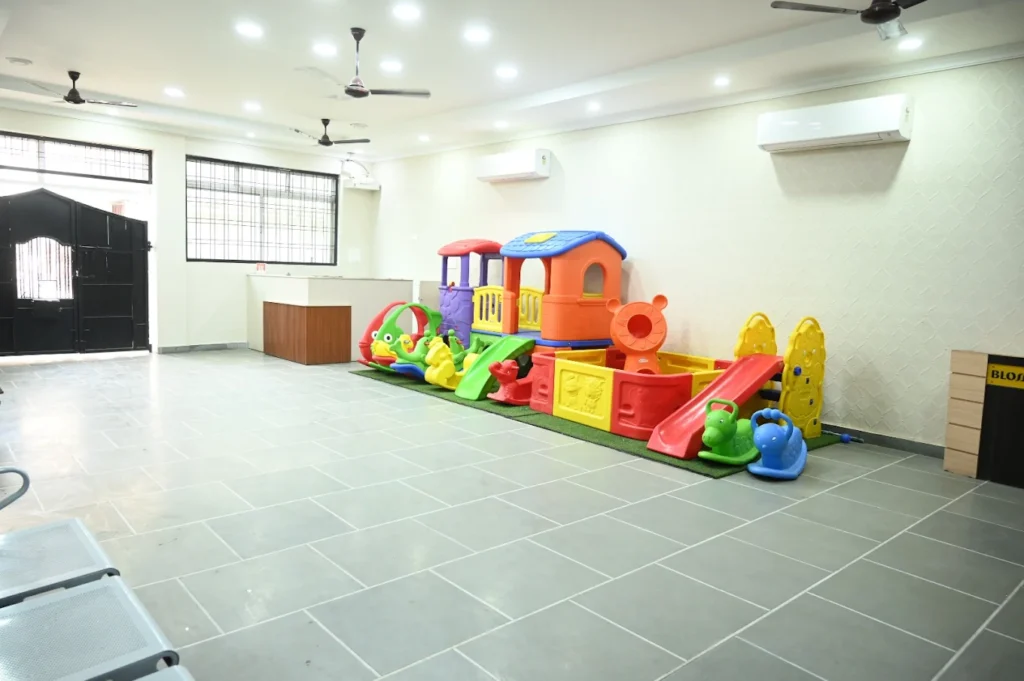
Every preschool brochure shows the same thing: happy children, colorful classrooms, impressive-sounding programs. But what actually makes a difference in your child’s day-to-day experience?
After talking to dozens of parents and educators, here’s what I’ve found matters most:
Safety comes first always
This isn’t negotiable. Before you evaluate anything else, make sure the school takes safety seriously.
When you visit, notice: Can anyone walk in through the gate, or is there a proper check-in process? Are there CCTV cameras in classrooms and play areas? What happens if a child falls and gets hurt, is there someone trained in first aid? If your child will use the school bus, are there female attendants? Is there GPS tracking?
Don’t feel awkward asking these questions. Any school that takes child safety seriously will be happy to answer them. If they get defensive or vague, that tells you something.
Teachers who actually like small children
Here’s a truth most parents don’t realize: at the preschool level, the teacher matters far more than the curriculum.
Your child isn’t going to remember which workbook they used in Playgroup or LKG. But they will remember how their teacher made them feel. Did Miss feel safe? Did she smile when I came in? Did she help me when I was scared, or did she get angry?
When you visit a preschool, don’t just meet the principal in their office. Ask to see the classrooms during school hours. Watch how teachers interact with children. Do they get down to the child’s eye level when speaking? How do they handle a crying child? Do they seem patient, warm, genuinely happy to be there, or tired, frustrated, going through the motions?
Also ask about the teacher-to-student ratio. For preschoolers, anything more than 1:15 makes it very hard to give individual attention. 1:10 or better is what you want.
Learning through play, not pressure
A good preschool understands that 3 and 4-year-olds learn best through play, songs, stories, and hands-on activities, not worksheets and rote memorization.
Be careful of schools that promise your child will be “reading fluently by UKG” or send home stacks of homework for 4-year-olds. That’s not a sign of rigor, it’s a red flag. Research consistently shows that pushing academics too early actually backfires in the long run.
What you want to see: activity-based learning, time for free play, art and music, storytime, outdoor play, and plenty of movement. The classroom should feel joyful, not like a pressure cooker.
Building confidence from day one
This is something many preschools completely overlook, but it makes a massive difference later.
Does the school give children opportunities to speak up? To share their thoughts without fear of being “wrong”? To perform in front of others, even in small ways?
The children who struggle with stage fear, who can’t speak in front of a group, who freeze during interviews, that often starts in preschool. Not because anyone was cruel to them, but simply because no one encouraged them to speak.
At Blossom Academy, this is exactly why the “Blossom Speaks” program begins in the early years itself. Through simple activities, show and tell, rhyme recitation, sharing time, we help even the shyest children find their voice. By the time they reach Class 5 or 6, speaking in front of others feels completely natural. That kind of confidence is a gift that keeps giving throughout their lives.
Think about what comes after
Here’s a practical question many parents forget to ask: Will my child have to change schools after preschool?
Some standalone playschools only go up to UKG. That means at age 5 or 6, your child will need to leave their familiar teachers and friends, and start all over again at a new school. That’s another round of adjustment, another round of anxiety, for both of you.
If possible, consider choosing a preschool that’s part of a larger school system, so your child can continue seamlessly into primary and beyond. The familiar faces, routines, and environment make a real difference.
Blossom Academy’s City Campus, for example, offers classes from Playgroup all the way to Class 2. When your child is ready for Class 3, they transition to our Main Campus on Manaksar Road, same values, familiar culture, just a bigger campus. No “starting over” required.
Age requirements for Playgroup, LKG, and UKG admission
Before you start visiting schools, let’s make sure your child meets the age criteria. Here are the typical requirements for CBSE schools in Suratgarh:
| Class | Age Requirement |
|---|---|
| Playgroup (Nursery) | 3+ years |
| LKG | 4+ years |
| UKG | 5+ years |
| Class 1 | 6+ years |
| Class 2 | 7+ years |
💡 A word about “starting early”
Some parents want to enroll their child a year early to “give them a head start.” Please think twice about this. Research consistently shows that children who start school at the right age or even slightly older, often do better academically and emotionally in the long run. There’s no prize for rushing. Let your child be truly ready.
What we offer at Blossom Academy City Campus
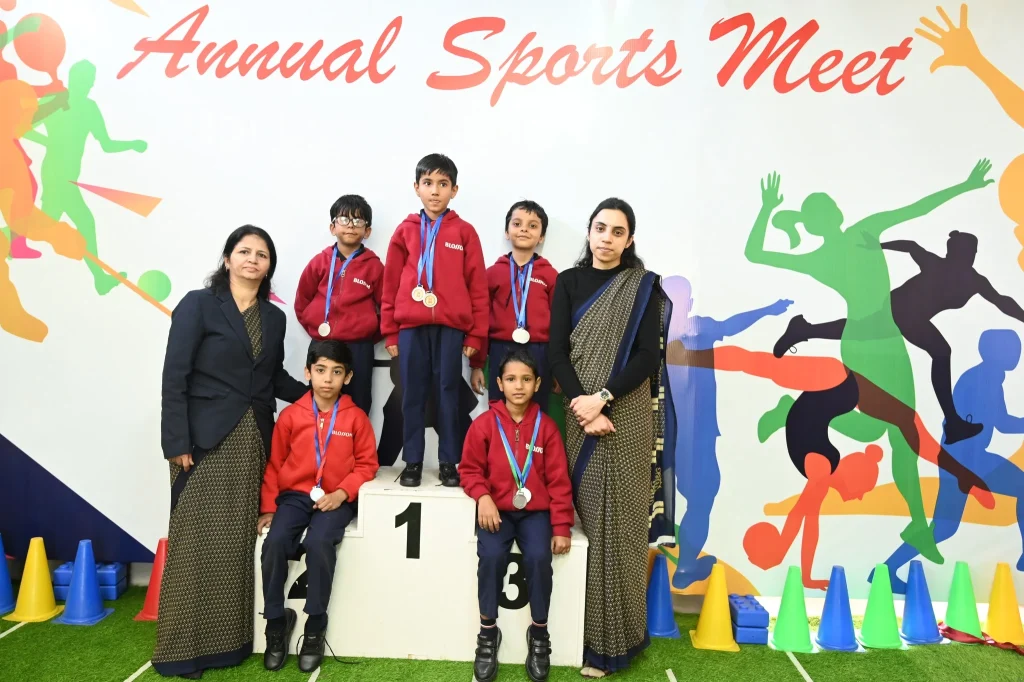
At Blossom Academy, we’ve been educating children in Suratgarh for over 20 years. And in that time, we’ve learned that the early years need a different kind of attention.
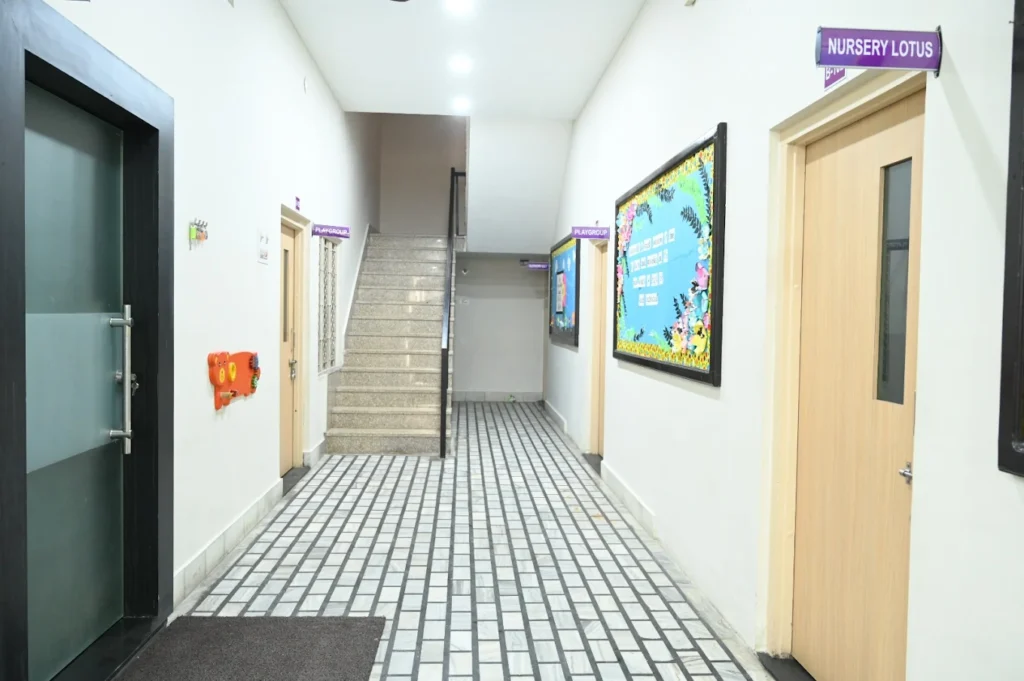
That’s why we have a dedicated City Campus in Suratgarh, designed specifically for young children from Playgroup to Class 2. It’s not just a wing of a bigger school; it’s a space built around what small children need: warmth, safety, play, and gentle encouragement.
What makes our preschool different
Confidence-building from the start. Our “Blossom Speaks” program isn’t something we add in Class 5. It begins right here, in Playgroup and LKG. Through simple activities, show and tell, rhyme recitation, sharing time, we help even the shyest children find their voice. By the time they’re older, speaking in front of others feels completely natural.
Activity-based learning. We don’t believe in making 3 and 4-year-olds sit and write for hours. Learning here happens through songs, games, art, stories, and play. The worksheets come later, right now, we’re building curiosity and love for learning.
Seamless transition. When your child is ready for Class 3, they don’t have to start over at a new school. They simply move to our Main Campus on Manaksar Road, same teachers (many of whom they’ll already know), same school culture, just a bigger campus. No stress. No adjustment anxiety.
Teachers who stay. Most of our pre-primary teachers have been with us for years. That stability matters, your child isn’t adjusting to new teachers every year.
Safe, monitored environment. CCTV coverage across the campus, secure entry/exit, trained staff, and safe transport options. Because nothing else matters if your child isn’t safe.
| Quick info | Blossom Academy City Campus |
|---|---|
| Classes | Playgroup to Class 2 |
| Location | Suratgarh city (convenient for central areas) |
| Board | CBSE affiliated |
| Continues to | Class 10 (Main Campus, Manaksar Road) |
| USP | Blossom Speaks (confidence building from early years) |
| Contact | 7240208888 | blossomacademy.in |
When should you start the admission process?
Most parents wait until January or February to think about preschool admission. By then, many good schools have already started filling up.
Here’s a timeline that actually works:
- September–October: Start thinking about what you’re looking for. Talk to other parents. Make a mental list of what matters to you.
- November–December: Visit schools. See the classrooms, meet the teachers, ask your questions. Don’t just go during a scheduled “open house”, try to see the school during regular hours.
- December–January: Most schools open admissions around this time. Submit your application early, don’t wait for the last date.
- February–March: Complete admission formalities. Start preparing your child for the transition.
Documents you’ll need
Get these ready before you start visiting schools, it’ll save you last-minute running around:
Documents checklist for admission
- Birth certificate (original + 2 photocopies)
- Aadhar card of child (if available)
- Passport-size photographs (usually 4–6 copies)
- Parents’ Aadhar card and ID proof
- Transfer certificate (only if coming from another school)
Preparing your child for their first school
The weeks before school starts can be exciting, or stressful, depending on how you approach them. Here are some things that actually help:
- Adjust the sleep schedule early. If your child usually wakes up at 9 AM, start shifting their bedtime and wake-up time 2-3 weeks before school begins. Mornings are much easier when everyone isn’t exhausted.
- Practice small independence skills. Can they use the bathroom alone? Wash their hands properly? Open their water bottle and lunch box? These little things give children confidence at school.
- Talk about school positively. “You’ll make new friends!” “There are toys and games!” “Your teacher is so nice!” Children pick up on your energy, if you’re anxious, they’ll be anxious.
- Visit the school beforehand. If the school allows it, take your child to see the campus before the first day. Familiar places feel less scary.
- Don’t over-prepare academically. Your child doesn’t need to know all their letters perfectly before Playgroup or LKG. That’s what school is for. Just let them be curious.
- Have a goodbye ritual. A quick hug, a special wave, a funny handshake, something short and cheerful. Don’t drag out goodbyes or sneak away. Both make things harder.
Common questions parents ask
What is the right age to start Playgroup?
Children can start Playgroup (Nursery) at age 3. For the 2026-27 session, this means children born on or before March 31, 2023 are eligible. Starting at the right age helps children enjoy school without feeling overwhelmed or under-prepared.
Is there an entrance test for Playgroup or LKG?
Most preschools don’t have formal entrance tests for young children. Some may have a simple interaction where a teacher talks to the child, can they say their name, recognize a few colors, follow basic instructions? This isn’t a test to “pass” or “fail.” It’s just to understand if the child is developmentally ready. Don’t stress about preparing your child for this, just let them be themselves.
My child cries when I leave. Is this normal?
Completely normal. Separation anxiety is very common at this age and usually eases within a few weeks. The key is to keep goodbyes short and cheerful, don’t sneak away (that breaks trust) but don’t linger either (that makes it harder). Most children stop crying within 5-10 minutes of the parent leaving. If the crying continues for many weeks, talk to the teacher, there may be something specific bothering your child that can be addressed.
Should I choose a standalone playschool or a school that goes higher?
Both have pros and cons. Standalone playschools often specialize in early childhood and may have smaller class sizes. But your child will need to change schools for Class 1 or 2, which means another round of adjustment. Schools that offer both pre-primary and higher classes (like Blossom Academy, which goes from Playgroup to Class 10) allow continuity. Your child stays in the same system, with familiar faces and culture, reducing transition stress. Consider what matters more for your family.
What’s the teacher-student ratio I should look for?
For preschool-aged children, a ratio of 1:10 to 1:15 is considered good. Anything beyond 1:20 makes it very hard for teachers to give individual attention, and at this age, individual attention is everything. Ask this question directly when you visit schools. If they can’t give you a clear answer, that’s a concern.
How do I know if my child is ready for school?
There’s no perfect checklist, but here are some signs your child may be ready: they can be away from you for a few hours without major distress, they can communicate their basic needs (hungry, bathroom, hurt), they show curiosity about other children and want to play with them, and they can follow simple two-step instructions. If your child isn’t there yet, it’s okay to wait another year. There’s no race.
Come see the school for yourself
Reading guides is useful. But at some point, you need to actually visit, walk through the classrooms, watch how teachers interact with children, and trust your gut.
We’d love to show you around Blossom Academy’s City Campus. No pressure, no hard sell, just a chance for you to see if this feels like the right fit for your child.
Schedule a campus visit
See our classrooms, meet our teachers, ask all your questions. We’re here to help you make the best decision for your little one.
Admissions open for 2026–27 session | Playgroup to Class 2
Choosing your child’s first school is a big moment. Take your time. Visit. Ask questions. Trust yourself.
You’re not looking for a “perfect” preschool, that doesn’t exist. You’re looking for the right fit. A place where your child will feel safe, happy, and excited to learn. A place where you’ll feel at peace dropping them off every morning.
When you find it, you’ll know.